
Happy Birthday, Robert!
On June 8, I Always Listen to Robert Schumann

Robert Schumann – Born June 8, 1810, Zwickau, Germany
Each year, I celebrate the birthdays of my dearest friends—Ludwig, Johann, Wolfgang, Johannes, Giacomo and the rest of the gang. We’re on a first-name basis by now.
Their birthdays live in my Google calendar, right alongside reminders for flights and doctor’s appointments. And when the day arrives, I mark the occasion with earbuds, speakers, and sometimes a score.
If you’d like to join me in this tradition, I suggest adding them to your calendar too. There’s no better way to spend a day than honoring greatness by listening—really listening—to the wonderful work they left behind. - Michael DeMarco
A composer's birthday is an invitation to remember why their work endures.
A Moment from Schumann's Life
In 1854, just before the final unraveling of his mind, Robert Schumann threw himself into the icy waters of the Rhine in a suicide attempt. He was rescued, but would never live outside an asylum again.
In those final weeks before his collapse, Schumann believed he was being visited by angels who sang to him celestial music. He furiously scribbled it down, convinced it was divinely inspired.
The last works he wrote during this period are among his most haunting and revered. This tension between the divine and the disordered defines so much of what makes Schumann's music emotional and revealing.
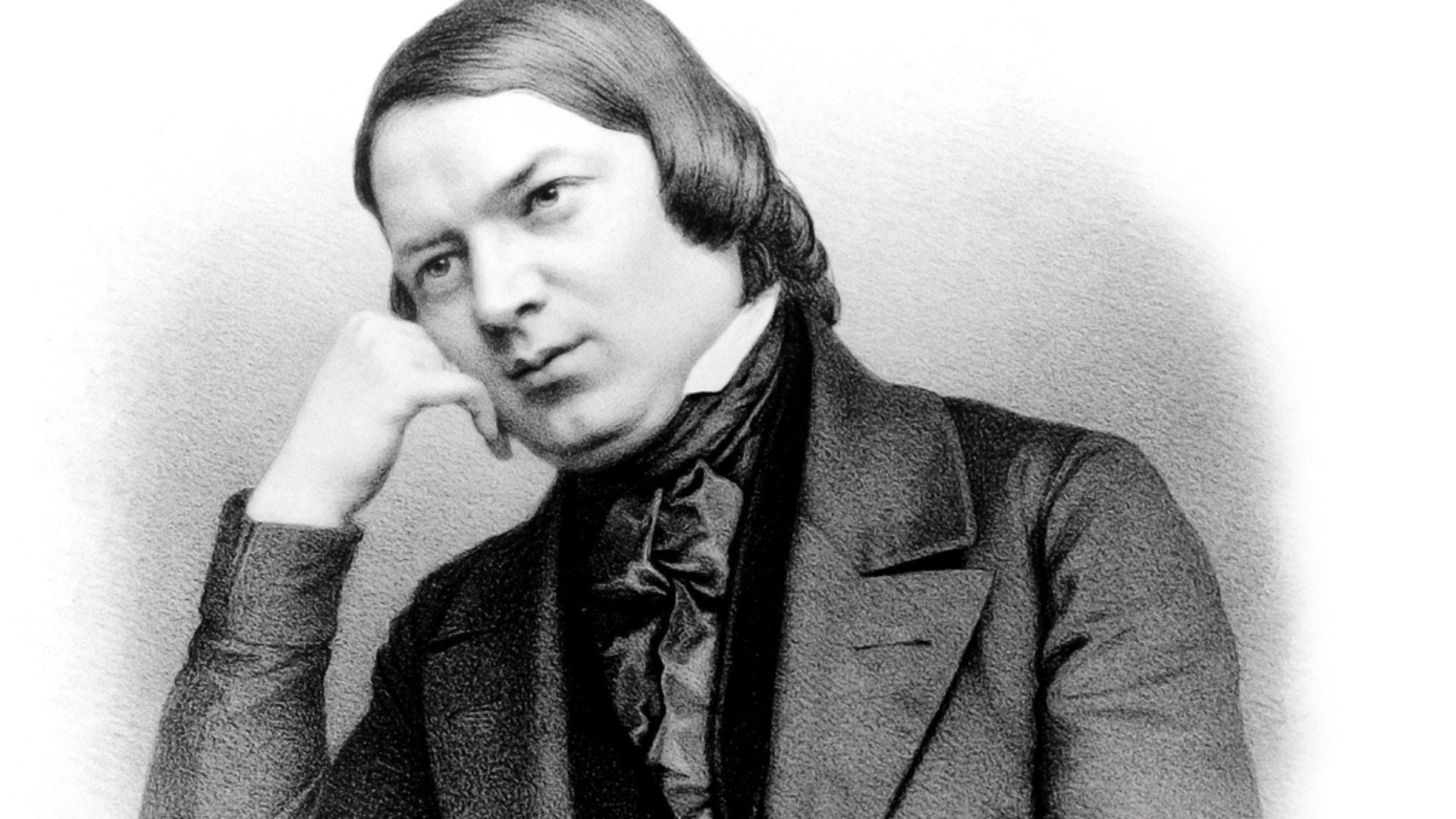
Placing Schumann in Time
Robert Schumann was a central figure of the Romantic era, a generation after Beethoven and alongside contemporaries like Mendelssohn, Chopin, and Berlioz. Yet unlike many of his peers, Schumann's voice feels startlingly personal.
A literary mind who turned to music, his works were often laced with narrative, alter egos, and coded messages to friends and lovers. He was not a virtuoso composer like Liszt, nor a conservative classicist like Brahms. He tended toward the elusive. A kind of poet at the keyboard whose compositions unfold a biographical confession.
My Listen This Year
This year, I’m honoring Robert by listening to:
Gesänge der Frühe, (Songs of the Morning) Op. 133
Composed in 1853, five months prior to his suicide attempt, was the last full year of Schumann's creative life. These five movements for solo piano are, in his own words, "the emotions on the approach and rise of morning, though more as feelings than painting.”
The opening movement is so spare it feels suspended. In it, I sense a man on the edge. Introspective, searching for clarity, giving in to madness, and finally transcendence. This work feels like a message from a threshold through which few have walked.
Suggested Listening
If you’d like to explore further—or begin your own tradition—here are a few recommended works:
Carnaval, Op. 9 (1835) – A kaleidoscopic series of miniatures where Schumann's alter egos Florestan and Eusebius come to life. Brilliant, whimsical, introspective.
Dichterliebe, (A Poet's Love) Op. 48 – A cycle of songs setting Heinrich Heine's poetry, this is Schumann at his most emotionally raw.
Piano Quintet in E-flat major, Op. 44 (1842) – Bold and jubilant, this work helped define the genre and showcased his wife Clara Schumann's pianism.
Kinderszenen, Op. 15 (1838) – Scenes from childhood, not really childlike, rather profoundly adult in its tenderness and nostalgia. A rare blend of simplicity and depth.
Why Schumann Still Matters
Schumann invites us in. He writes as if we are sitting beside him, listening to his joy and despair. His music is erratic, sometimes fragmented, but therein lies its power.
In an age obsessed with polish and perfection, Schumann reminds us that beauty often comes wrapped in vulnerability. His influence touches composers as disparate as Tchaikovsky, Debussy, Britten, and Kurtág. He remains a singular voice, independent and timeless.
A Favorite Quotation
To send light into the darkness of men’s hearts—such is the duty of the artist.
— Robert Schumann
Clara Schumann: Partner in Life and Art
No celebration of Robert Schumann would be complete without honoring his wife, Clara. One of the most acclaimed pianists of the 19th century and a gifted composer in her own right, Clara was not only Robert's muse but also his fiercest champion.
She premiered many of his works, managed their household and growing family, and maintained her own formidable career, all while grappling with the slow, agonizing unraveling of her husband’s mind.
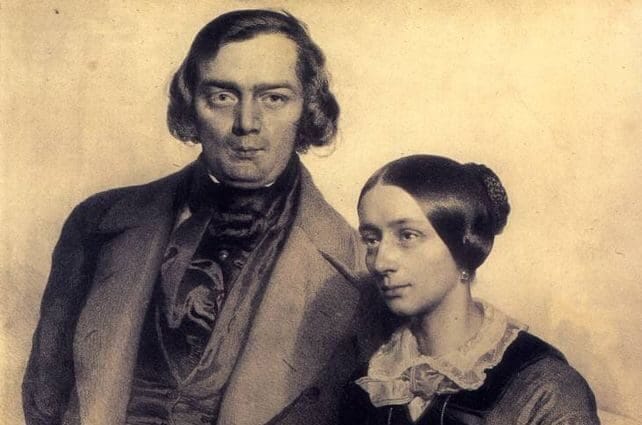
After Robert was committed to the asylum at Endenich, Clara endured more than two years of painful separation. She was barred from visiting him while managing the demands of motherhood, performance, and the weight of uncertainty.
When at last she was permitted to visit, Robert remained silent during their reunion, although he seemed to acknowledge her presence.
Two days later, he died at the age of 46.
Clara’s strength, devotion, and artistry remain inseparable from the Schumann legacy.
Join the Birthday Celebration
If this composer’s work speaks to you, consider adding their birthday to your calendar. Each year, you’ll get a reminder to step away from the noise and spend a day with something transcendent.
What are you listening to today in honor of Schumann?
Share your favorites in the comments. I’d love to learn what speaks to you.